Exploring the Advantages of Using Aluminum Castings in Modern Production
Aluminum castings have become increasingly relevant in modern production as a result of their one-of-a-kind properties. The light-weight nature of aluminum enables a lot more intricate layouts, specifically valuable in sectors like vehicle and aerospace. Its deterioration resistance extends item life expectancy, while cost-effectiveness enhances production efficiency. These advantages welcome a closer exam of aluminum's role in numerous applications and its influence on layout flexibility and sustainability in producing procedures.
Lightweight Properties and Their Influence On Layout
The lightweight homes of aluminum castings significantly influence modern layout practices across various sectors. Designers and engineers frequently focus on weight decrease in their projects to enhance effectiveness and performance. This characteristic permits the development of complex shapes and designs that would be testing with larger materials. In sectors such as automotive and aerospace, where every gram counts, aluminum castings add to sustain effectiveness and lowered exhausts. Furthermore, the simplicity of producing processes like die casting allows the manufacturing of complex geometries, causing ingenious product designs. The capacity to balance stamina and weight makes aluminum an enticing option for producers aiming to maximize item functionality while lessening manufacturing prices. As industries continue to advance, the adoption of aluminum castings is likely to expand, fostering new possibilities for style creative thinking and design innovations. On the whole, the light-weight nature of aluminum is an essential consider shaping modern production methods.
Superior Rust Resistance for Durability
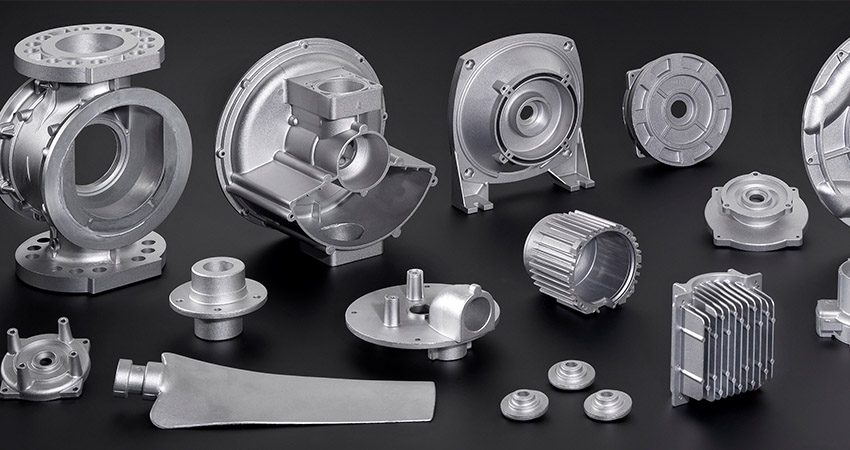
Although lots of products struggle with destruction gradually, aluminum castings stand out for their superior corrosion resistance, substantially improving the longevity of products. This resistance is primarily credited to the natural formation of a protective oxide layer on the aluminum surface area, which inhibits further oxidation and stops rusting. Unlike steel or iron, aluminum does not rust conveniently when subjected to moisture or various chemicals, making it an ideal choice for applications in severe settings.
On top of that, aluminum castings keep architectural honesty over expanded periods, minimizing the demand for regular substitutes. This integrity is vital in markets such as automotive, aerospace, and marine, where part failing can result in considerable safety problems. By selecting aluminum castings, producers can ensure that their products not only endure the examination of time yet also carry out regularly under challenging problems, ultimately benefiting both manufacturers and end-users through enhanced toughness and less upkeep requirements.
Cost-Effectiveness in Production
Cost-effectiveness in aluminum casting production is driven by several vital elements. Lowered material waste adds to decrease manufacturing expenses, while quick production times enhance overall efficiency. These components jointly position aluminum castings as a feasible option for makers seeking to maximize their procedures.
Minimized Material Waste
Minimizing product waste in aluminum casting not only improves sustainability yet additionally substantially lowers manufacturing costs. Efficient use raw products is important in modern-day production, where minimizing waste can bring about considerable cost savings. Aluminum casting procedures enable elaborate layouts with accurate specs, which assists to optimize product use and decrease excess. Strategies such as near-net shape casting even more restrict the quantity of scrap produced throughout manufacturing. Furthermore, the recyclability of aluminum adds to a decrease in waste, as leftover products can be melted and reused in future applications. By taking on aluminum casting techniques, makers can achieve not only a more eco-friendly operation yet additionally a streamlined production procedure that makes best use of resource performance and minimizes overall material expenses.
Lower Production Prices

Fast Production Times
While many elements add to the total performance of making procedures, rapid manufacturing times attract attention as a significant benefit of aluminum casting. This method enables for the fast development of parts, significantly reducing preparations. The ability to generate complicated shapes with high precision suggests that suppliers can rapidly reply to market demands and range production as needed. Additionally, aluminum's desirable thermal homes enable faster cooling prices, additionally accelerating the general casting procedure. Shorter manufacturing cycles lead to boosted supply turn over and minimized operational prices. By lessening hold-ups and enhancing throughput, aluminum casting supports an extra active production environment, ultimately contributing to boosted competition in the market.
Layout Adaptability and Complex Geometries
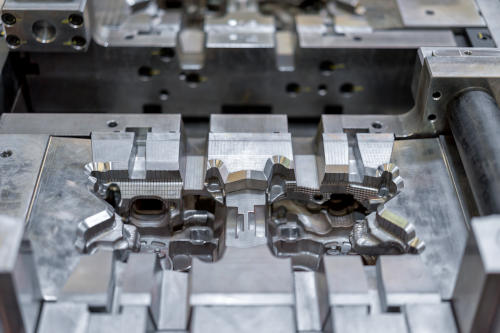
Aluminum castings supply exceptional design flexibility, enabling the production of elaborate geometries that would be testing with other materials. This ability permits makers to create light-weight architectural services that boost overall efficiency and effectiveness. Furthermore, the quick prototyping possibility of aluminum castings accelerates the development process, facilitating technology in layout.
Intricate Layout Capabilities
Light-weight Structural Solutions
Suppliers increasingly utilize aluminum castings to deliver light-weight architectural services that do not endanger on toughness or resilience. The intrinsic residential or commercial properties of aluminum, including its reduced density and high strength-to-weight ratio, make it an excellent selection for applications where weight reduction is important. This light-weight particular facilitates style flexibility, enabling designers to develop intricate geometries that conventional materials might not suit. In addition, aluminum castings can be customized to details performance demands, enhancing functionality without including extreme weight. This versatility enables the manufacturing of intricate components for different markets, such as aerospace and automobile, where effectiveness and efficiency are critical. Generally, aluminum castings play an important function in progressing modern-day production via innovative architectural layouts.
Rapid Prototyping Possible
Rapid prototyping has become a game-changer in modern-day manufacturing, particularly when it comes to develop versatility and the ability to create complicated geometries. Aluminum castings promote this technology, permitting engineers to generate complex designs that would be difficult or difficult with conventional approaches. The lightweight nature of aluminum improves the convenience of control during the prototyping stage, enabling rapid models and modifications. Additionally, the material's superb thermal conductivity and deterioration resistance contribute to the resilience of models, making them ideal for testing in real-world problems. Therefore, manufacturers can accelerate item development cycles, reduce prices, and enhance development. Inevitably, the integration of aluminum castings right into fast prototyping processes supports the production of sophisticated, high-performance parts customized to certain applications.
Boosted Thermal and Electrical Conductivity
While aluminum castings are renowned for their light-weight buildings, their boosted thermal and electrical conductivity additionally plays a crucial role in contemporary manufacturing. This particular makes aluminum an optimal option for applications needing effective heat dissipation and electric efficiency. As an example, elements in electronics gain from aluminum's ability to successfully transfer warmth, therefore reducing the risk of getting too hot and lengthening tool lifespan. In vehicle and aerospace industries, aluminum castings contribute to boosted thermal management systems, advertising energy efficiency.
The high electrical conductivity of aluminum permits for its extensive use in electric components, such as adapters and bus bars. This attribute not just lowers power loss throughout transmission however additionally enhances general efficiency. The combination of these residential or commercial properties positions aluminum castings as a preferred material in various applications, driving technology and effectiveness in producing processes throughout numerous fields.
Sustainability and Environmental Benefits
Aluminum castings use substantial sustainability and environmental benefits, lining up with the expanding emphasis on environmentally friendly manufacturing methods. Among the key advantages of aluminum is its recyclability; up to 95% of aluminum can be recycled without losing high quality. This procedure consumes only a portion of the energy needed for primary production, substantially minimizing greenhouse gas discharges.
In addition, aluminum is light-weight, which adds to power efficiency in transport and item usage. Its longevity and resistance to deterioration extend the life-span of items, reducing waste and the demand for frequent replacements. In addition, the usage of aluminum castings can lead to more efficient manufacturing processes, as they usually require less power and material contrasted to traditional techniques.
Applications Throughout Various Industries
As markets increasingly look for flexible products for cutting-edge applications, aluminum castings have emerged as a popular option across different Aluminum Casting fields. In the automobile industry, lightweight aluminum castings contribute to improved gas effectiveness and efficiency, while in aerospace, they supply stamina without jeopardizing weight, necessary for airplane design. The customer electronic devices field take advantage of aluminum's exceptional thermal conductivity, making it ideal for warm sinks and enclosures. On top of that, the building and construction sector uses aluminum castings for window frames, roof parts, and structural elements as a result of their resilience and resistance to corrosion. The clinical tools sector relies on aluminum castings for generating exact, lightweight elements that meet stringent health criteria. These diverse applications highlight the adaptability of aluminum castings, making them a recommended material for suppliers aiming to introduce and improve product performance throughout numerous fields.
Often Asked Concerns
How Are Aluminum Castings Produced in the Manufacturing Refine?
Aluminum castings are produced via a process involving melting aluminum, putting it into mold and mildews, and allowing it to strengthen. Aluminum Casting. This technique enables the development of intricate shapes and accurate measurements required in various applications
What Security Measures Are Needed When Dealing With Aluminum Castings?
When functioning with aluminum castings, important safety and security measures include using protective equipment, making sure proper ventilation, executing fire security procedures, and maintaining tools to stop accidents, therefore protecting workers against prospective hazards connected with the casting process.
Can Aluminum Castings Be Recycled, and Exactly how Is This Done?
Aluminum castings can certainly be reused effectively. The process entails accumulating scrap aluminum, thawing it down in heating systems, and after that reforming it right into new products, thus conserving resources and decreasing ecological influence in production.
What Are the Typical Problems in Aluminum Castings and How to Avoid Them?
Usual problems in aluminum castings include porosity, shrinking, and surface area flaws. To avoid these concerns, appropriate mold and mildew design, temperature level control, and product choice are necessary, guaranteeing optimal casting conditions and lowering the probability of problems.
Just How Do Aluminum Castings Compare to Other Products in Terms of Toughness?
Aluminum castings show desirable strength-to-weight proportions compared to lots of products - Aluminum Casting. While normally much less solid than steel, they exceed plastics and provide sufficient toughness for different applications, making them a flexible selection in manufacturing processes